THE HAYDUKE TRAIL

Photo Journey Along the Hayduke Trail in the American Southwest

The Hayduke Trail is an iconic long-distance route weaving through some of the most dramatic red rock country in the American Southwest, primarily across southern Utah and northern Arizona in the United States. While it is known among experienced backpackers for its rugged terrain, it also inspires travelers, road trippers, and casual hikers who want to experience the same desert vistas, sculpted canyons, and sandstone formations captured in countless photo galleries. This guide introduces the landscapes and viewpoints that make this region so photogenic, and how visitors can experience them at a comfortable pace.

Where the Hayduke Trail Roams: Utah and Arizona Desert Country

The Hayduke-inspired route touches or passes near many renowned destinations in Utah and Arizona, including canyon systems, national parks, and remote plateaus. Even if you never hike the full backcountry route, you can explore its spirit through accessible viewpoints, scenic drives, and short walks.

Utah's Red Rock Heartland

In Utah, the landscapes range from towering sandstone cliffs to hidden slots and broad slickrock domes. Visitors often base themselves near gateways such as Moab, Escalante, or small desert towns that serve as launch points into the surrounding canyons. Sunrises and sunsets light up the cliffs in deep reds and golds, making this region a dream for photographers and sightseers alike.

Arizona's High Desert and Canyon Country

Across the state line in Arizona, the terrain transitions into vast plateaus and deeper canyon systems. Travelers can experience sweeping overlooks, winding desert washes, and rim views that offer a sense of the immense scale of the Colorado Plateau. The changing light, from bright midday contrast to soft evening hues, rewards patient observers and those who plan their visits around the golden hours of the day.

Exploring the Trail's Spirit Without Going Fully Off-Grid

The full Hayduke-style traverse is an undertaking for expert backcountry travelers, but its allure can be enjoyed in smaller, more accessible segments. Many short trails, park overlooks, and scenic byways mirror the same landscapes that long-distance hikers experience.

Scenic Drives and Roadside Viewpoints

Desert highways and backroads in Utah and Arizona are journeys in their own right. Travelers can stop at signed overlooks, roadside pullouts, and short loop trails that showcase mesas, arches, and canyon vistas. These stops offer ample opportunities for photography and appreciation of the region's geology, without the need for heavy gear or technical navigation.

Day Hikes and Short Walks

Easy to moderate day hikes allow visitors to step away from the pavement and into dry washes, along canyon rims, or onto open slickrock. Many routes are well-marked within popular recreation areas and parks. These shorter adventures offer a taste of the solitude, big sky views, and layered rock formations that characterize longer treks along the Hayduke corridor.

Capturing the Landscape: Photography Tips in Red Rock Country

The gallery imagery associated with the Hayduke Trail showcases angular cliffs, sculpted canyons, and endless horizons. Visitors interested in photography can apply a few practical tips to capture the character of Utah and Arizona's canyon country.

Light and Timing

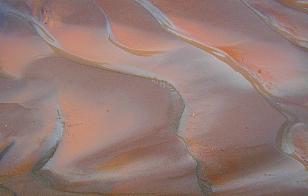
Early morning and late afternoon provide the most flattering light. At these times, sandstone glows in shades of orange, pink, and red, and long shadows reveal texture in the rock. Midday sun can be harsh, but it is excellent for photographing the inside of narrow canyons where light reflects off tinted walls.

Framing Canyons and Mesas

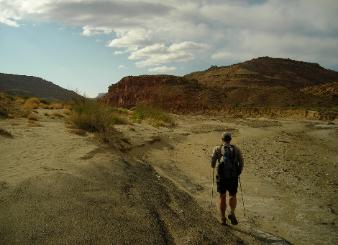
Using natural frames such as arch openings, trees, or foreground boulders adds depth to compositions. Placing a person or a recognizable object in the frame helps convey the immense scale of cliffs and mesas. Wide-angle lenses emphasize sky and rock, while telephoto shots can isolate interesting details and patterns in the stone.

Respecting the Desert While You Shoot

The desert environment is fragile. When seeking the perfect vantage point, travelers are encouraged to stay on durable surfaces such as rock and established paths, avoiding cryptobiotic soil and delicate vegetation. This low-impact approach helps ensure the landscapes photographed today remain intact for future visitors.

Seasonal Considerations for Visiting the Hayduke Region

The American Southwest can feel very different depending on the season, and planning around weather is an important part of any trip inspired by the Hayduke Trail's route.

Spring and Autumn: Popular Windows for Exploration

Spring and autumn are generally favored for mild temperatures and clear skies. Wildflowers may appear in spring along desert washes and benches, adding color to the typical red and tan palette. In fall, cooler air and softer light create comfortable conditions for hiking and photography throughout the day.

Summer Heat and Monsoon Rains

Summer brings intense heat to Utah and Arizona's canyon country. Travelers often plan activities for early morning or evening to avoid the hottest hours. Late summer monsoon storms can introduce dramatic clouds and lightning displays, but they also raise the risk of flash floods in slot canyons and dry washes. Checking forecasts and staying out of narrow drainages when storms are possible is a key safety consideration.

Winter Quiet and Snow-Dusted Cliffs

In winter, some higher-elevation areas may receive snow, adding a striking contrast to the red rock. Visitor numbers are usually lower, providing a quieter experience at overlooks and trailheads. Roads and trails can be icy or muddy in places, so flexible planning and appropriate clothing help ensure a comfortable visit.

Staying in Desert Towns and Trail Gateway Communities

Many travelers exploring Hayduke-inspired landscapes use small towns and gateway communities as bases for day trips. These hubs often provide access to supplies, eateries, and local information about trail conditions, scenic drives, and safe routes into the backcountry.

Accommodation Options Near the Trail Corridor

Across southern Utah and northern Arizona, accommodation options range from simple motels and lodges to more boutique desert retreats. Some visitors choose to stay in towns with direct access to nearby canyons and parks, while others move between communities to follow a broader itinerary across the plateau. Campgrounds, both established and more rustic, are another way to experience the quiet of the desert night and star-filled skies.

Planning Your Base for Exploration

When selecting a place to stay, travelers often consider driving distance to trailheads, scenic loops, and popular viewpoints. Staying a night or two in each region along the Hayduke corridor allows time to explore sunrise and sunset locations without long predawn drives. This approach also helps visitors adjust gradually to the desert climate and elevation changes.

Safety, Preparation, and Responsible Travel

Even if you are only sampling short hikes and roadside vistas, the landscapes that inspired the Hayduke Trail demand respect. Preparation and a thoughtful approach to travel contribute to a safe and rewarding experience.

Water, Navigation, and Weather Awareness

The dry climate means that carrying extra water is essential, even on short excursions. Simple navigation tools, such as maps and offline digital resources, help travelers remain oriented in maze-like canyon systems and on open slickrock. Regularly checking weather reports and being aware of flash flood risks in drainage areas are crucial safety practices.

Leave No Trace Principles

Respecting the desert environment preserves the very scenes that draw visitors. Packing out all trash, avoiding carving or writing on rock surfaces, and staying on existing paths where possible all contribute to the health of fragile ecosystems. Thoughtful behavior not only protects flora and fauna but also maintains the sense of wildness that defines this part of the American Southwest.

Designing Your Own Hayduke-Inspired Itinerary

Travelers do not need to follow a fixed route to experience the magic of Utah and Arizona's canyon country. Instead, many create custom itineraries based on personal interests, time available, and comfort level with backcountry travel.

Combining Parks, Monuments, and Backroads

A typical journey may link national parks, national monuments, and lesser-known public lands with stretches of scenic byway and unpaved roads. Some visitors focus on iconic viewpoints, while others seek quieter side canyons and lesser-visited overlooks that echo the remoteness associated with the Hayduke tradition.

Balancing Adventure and Comfort

For many, the ideal trip blends adventurous days with comfortable evenings. Short hikes, photography sessions, and scenic drives can be followed by restful nights in nearby towns, where travelers can enjoy local food, hot showers, and a chance to review photos from the day. This balance enables visitors to savor the scale and solitude of the desert without committing to a full expedition-style traverse.

Experiencing the Spirit of the Southwest

The landscapes associated with the Hayduke Trail reveal the depth and diversity of the American Southwest. From weathered sandstone domes to sheer canyon walls and vast plateaus, this region offers a powerful sense of space and time. Whether you are drawn by photography, hiking, scenic driving, or simply standing quietly at an overlook, a thoughtfully planned visit can capture the essence of what countless images in trail galleries only begin to suggest.

As you shape an itinerary around the deserts of Utah and Arizona, accommodation becomes part of the experience. Many visitors choose to stay in small desert towns close to trailheads, where early-morning departures for sunrise viewpoints are easy and evenings can be spent stargazing just steps from a room or campsite. Others prefer a mix of lodges, roadside motels, and rustic campgrounds along the broader Hayduke corridor, using each stop as a new base to explore nearby canyons and overlooks. By planning where you sleep with the same care you give to route choices and photo stops, you can enjoy unhurried mornings, cooler twilight excursions, and a comfortable rhythm that matches the slower pace of red rock country.